
Updated: March 2026
How to Build a Consistent Music Identity for a YouTube Channel or Film Brand
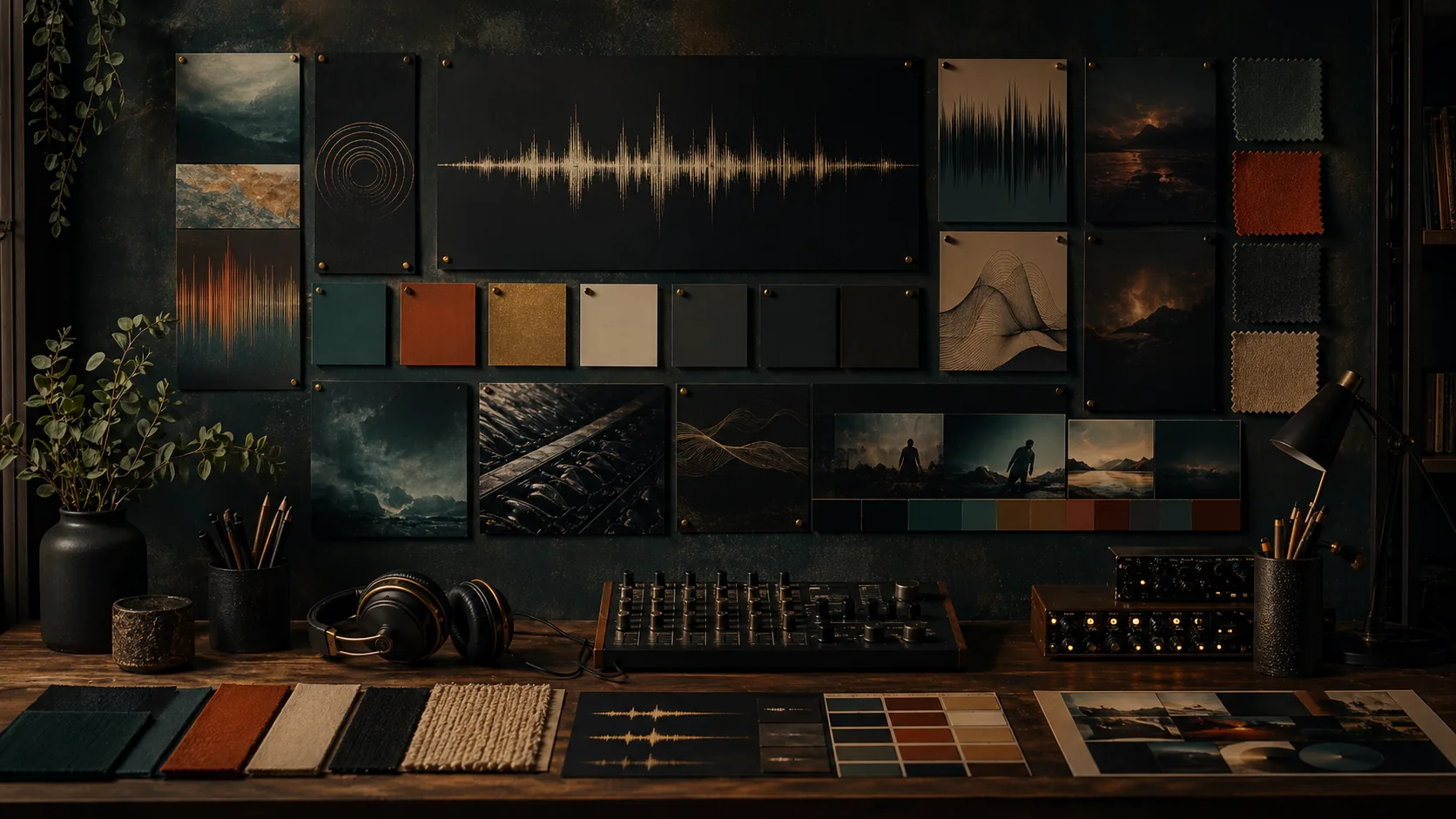
A lot of creators treat music like a last-minute layer. The edit is nearly done, the deadline is close, and then comes the search for something dramatic, emotional, or cinematic enough to hold everything together. That usually works once. It rarely works over time. A recognizable channel or film brand needs a repeatable music identity, not a different mood every week.
Music identity is what makes a trailer feel like your trailer before a logo appears. It is what helps a YouTube audience recognize the emotional language of a channel from the first few seconds. When the music choices are consistent, the brand feels intentional. When the choices are random, even strong visuals start to feel disposable.
If you are still figuring out broad soundtrack direction, start with our trailer music guide. If you already know your general lane and want something more distinctive, this article is the next step.
What a Music Identity Actually Is
A music identity is not one song. It is a set of recurring choices that make your work feel related across uploads, promos, trailers, and campaigns. It usually includes:
- a narrow emotional range
- a repeatable energy curve
- recurring textures or instrumentation
- a sense of what you never use
- one or two signature use cases, such as tension builds, heroic lifts, or dark pulsing underscores
That last point matters. Strong brand identity comes as much from exclusion as selection. If your channel is built on tension, urgency, and modern cinematic editing, a warm acoustic cue may not be wrong in theory, but it may still weaken the brand.
Start With the Editorial Promise, Not the Genre Label
Most people start too broadly. They say they want epic music, action music, or cinematic sound. Those are shopping labels, not identity decisions. The better question is: what should the audience feel every time they hit play?
For a film brand, maybe the promise is controlled dread. For a YouTube channel, maybe it is sharp momentum and pressure. For a documentary promo brand, maybe it is measured tension with emotional lift. Once the promise is clear, music choices become easier to defend.
This is one reason trailers, teasers, and TV spots need different music strategies. Each format has a different editorial promise. A teaser can survive on atmosphere. A trailer needs progression. A TV spot needs urgency and recall.
Pick One Core Lane and One Supporting Lane
The easiest way to stay consistent without becoming repetitive is to work with one primary lane and one secondary lane.
- Primary lane: the sound people should associate with your brand first
- Secondary lane: the variation you use when you need contrast without losing identity
Example:
- Primary: ticking clock tension music
- Secondary: hybrid cinematic music
Another example:
- Primary: epic orchestral music
- Secondary: action music
This gives you enough room to shape different edits while still sounding like one brand.
Use the search below to test the sound identity you want people to remember. Try one primary lane and one supporting lane, such as ticking pressure, hybrid tension, epic scale, or action drive.
Search Music
Define the First 15 Seconds
If someone only heard the opening of your videos, would they still recognize the brand? That is the real test. The first 10 to 15 seconds usually do more brand work than the rest of the track because they set expectation, tone, and editorial pace.
Write down the qualities your opening should usually have. For example:
- low-end pulse, then a clean rise
- dry percussion before wide impact
- single-note tension before rhythmic movement
- no cheerful melody in the first beat
That may sound restrictive, but this kind of rule-making is what creates identity. Viewers do not remember a vague idea like cinematic. They remember a pattern.
Match Music Identity to Audience Intent
There is another reason random music choices hurt growth: they confuse the audience about what kind of emotional experience they are opting into. A channel that sounds dark and relentless one week, sentimental the next, and glossy commercial after that makes subscription feel risky. People follow consistency faster than versatility.
This is especially important on YouTube, where viewers often arrive from search or suggested traffic with only a partial sense of your brand. If your soundtrack language is coherent, music becomes a retention tool.
If your strongest work leans into countdowns, pressure, suspense, and edit-friendly rhythm, then keep building around that instead of diluting the signal. A focused catalog such as Ticking-Clock Music or a broader lane like Hybrid Music makes more sense than jumping between unrelated moods.
Create a Practical Brand Music Checklist
Before you license a track, run it through a short checklist. Keep it simple enough that you will actually use it.
- Does this sound like the world my audience expects from me?
- Would this still fit if someone watched three of my uploads in a row?
- Does the first impact or first pulse feel on-brand?
- Does the cue support my pacing style?
- Am I picking this because it is right, or because I am tired and need something fast?
That last question is worth keeping. Brand inconsistency often comes from rushed editing, not creative experimentation.
Build a Small Internal Library, Not a Huge Mess
A creator does not need hundreds of saved tracks to sound consistent. In many cases, 8 to 15 carefully chosen tracks are enough to define a usable identity. Group them by function:
- opening tension
- build and escalation
- impact reveal
- emotional release
- short-form cutdowns
If you license often, a broader option like the All Access Pass can make this easier because it lets you build a repeatable palette across projects instead of choosing in isolation every time.
A Useful Mistake to Avoid
One of the most common mistakes is choosing music that flatters the edit instead of the brand. A track may make one cut feel bigger, but if it does not belong to the larger identity of the channel or film line, it creates drift. You get a stronger individual edit and a weaker long-term brand.
This is also where licensing matters. If you build an identity around tracks you cannot confidently reuse across formats, platforms, or client work, you are building on unstable ground. Read How to Read a Music License Before You Buy before you commit to a repeat-use soundtrack strategy.
Where Epikton Fits
Epikton works best when you are trying to make your brand feel cinematic, precise, and emotionally intentional. If your identity leans toward pressure, scale, suspense, or dark momentum, start by narrowing your palette to one of these lanes:
- Ticking-Clock Music for urgency, countdown energy, and edit tension
- Hybrid Music for modern trailer weight and impact
- Epic Music for scale and lift
- Sci-Fi Music for futuristic identity
- Horror Music for unease and dread
The goal is not to use the same track over and over. The goal is to make different tracks feel like they belong to the same emotional universe.
Final Thought
When a channel or film brand sounds consistent, the work feels more expensive, more memorable, and more trustworthy. People may not describe it as music identity, but they feel it immediately. That is the level where soundtrack decisions stop being decorative and start becoming part of the brand itself.