
Updated: May 2026
Cyberpunk and Sci-Fi Game Trailer Music: Tension, UI, Combat, and Worldbuilding
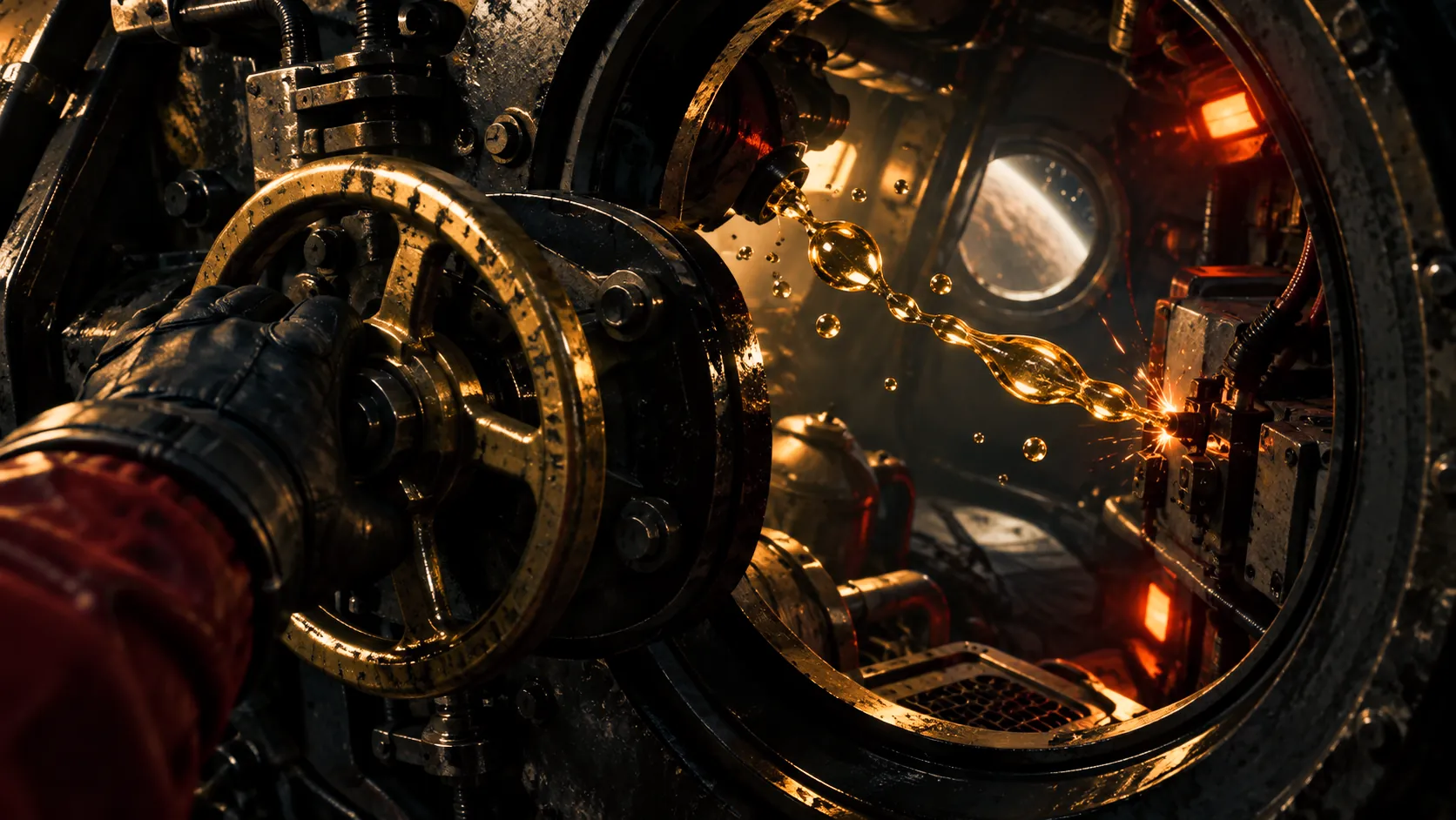
Cyberpunk and sci-fi game trailer music has to do more than sound futuristic.
It has to help the viewer understand the game’s systems, danger, speed, and world before they have learned your rules.
For an indie game maker, that usually means the music has to support four difficult kinds of footage: interface shots, hacking or system tension, combat rhythm, and worldbuilding.
The common mistake is choosing a track because it has neon synths, huge impacts, or a glossy future-city mood. Those can work, but they are not a plan.
On a store page, sci-fi footage still has to explain itself quickly: what the player controls, what the system does, and why the threat matters.
The track cannot be the whole pitch. It should make the footage easier to read, then make it more exciting.
Do Not Start With The Word Futuristic
“Futuristic” is too broad for a useful music search.
A sleek stealth game, a space horror game, a tactical hacking sim, a cyberpunk brawler, and a colony survival game can all be futuristic.
They need different kinds of pressure. Before you search, write one plain sentence about what the player is supposed to feel in the first part of the trailer.
For example: “The player is entering a city run by surveillance systems.” That points toward tense pulse, cold synths, restrained industrial percussion, and controlled rises. “The player is already in a street fight” points toward heavier rhythm, aggressive bass, hits, drums, and short pauses for impact. “The player is discovering an abandoned orbital station” points toward drones, low movement, distant texture, and slow-building threat.
This is the difference between neon-but-generic and useful search language.
Search for the job the footage needs: hacking tension, industrial pulse, sci-fi worldbuilding, cyberpunk combat, dark synth pressure, UI reveal, surveillance mood, machine rhythm, orbital dread, or hybrid action build.
Match The Music To The Footage Job
A cyberpunk or sci-fi trailer often moves through different evidence types. The first shot may be a city. The second may be a scanner. The third may be a skill tree. Then the trailer cuts into combat, story, boss silhouettes, or a store-page feature list. If the track is only built for one mood, the edit can feel like the music is fighting the game.
Use a simple footage-first pass before you audition tracks. Put each planned trailer moment into one of five jobs: place, interface, system, action, or threat.
Place means the world: city, station, lab, ship, colony, wasteland. Interface means what the player reads: inventory, scanner, map, dialogue, upgrades, terminal, mission screen. System means what the player does: hack, craft, command, trade, sneak, survive, build. Action means movement and combat. Threat means what pushes back: enemy faction, timer, monster, surveillance, collapse, scarcity, invasion.
Once you see the footage jobs, the music choice becomes less abstract. A track with small internal movement can carry interface and system shots. A track with a strong beat grid can support action. A track with darker drones and delayed hits can hold threat. The best trailer cue is often the one that can move through two or three of these jobs without sounding like a different video every 15 seconds.
Give UI Footage A Treatment, Not An Apology
Cyberpunk and sci-fi games often need to show UI because the interface is part of the fantasy. Hacking screens, scanning overlays, augmentation menus, ship systems, squad commands, data boards, inventory upgrades, dialogue branches, and surveillance maps can all sell the game. But UI footage becomes slow when the trailer treats it like a break from the “real” action.
The better approach is to treat UI as a reveal.
Use music with precise movement under the interface: a ticking synth, subtle digital percussion, pulsing bass, restrained arpeggio, or soft industrial loop. Cut UI moments on musical details, not only on big hits. Let a menu open on a small accent. Let a target lock, evidence connection, upgrade confirm, or terminal breach land on a sharper beat. Then save the larger hit for the result of that UI action.
For example, a hacking shot can start on a low pulse, show the interface solving or failing, then cut to the door opening, alarm triggering, enemy waking, or city grid changing. The music tells the viewer that the interface changed the world. That is more persuasive than showing a cool screen for three seconds while a huge action track ignores it.
Combat Needs Rhythm The Player Can Understand
Combat trailer music should make the hit feel good, but it should not cover the shape of the gameplay. If your combat has dodges, cooldowns, reloads, parries, command pauses, stealth takedowns, weak-point windows, or rhythm-based timing, the viewer needs to sense that logic. Music can help by giving the edit a clear grid.
Fast shooters usually benefit from a steady pulse with defined low-end accents. That gives the editor places to land muzzle flashes, reload cuts, ability triggers, enemy deaths, and camera moves. Melee combat can use heavier impacts and short gaps, because the silence before a hit often makes the hit feel larger. Tactical combat usually works better with tension and restrained percussion than with a constant club beat, because the viewer is trying to read decisions rather than speed alone.
| Combat footage | Useful music rhythm | Editing example |
|---|---|---|
| Fast cyberpunk shooter | Driving pulse, clear downbeats, tight bass | Cut reloads, dashes, and enemy hits to the beat grid. |
| Melee or brawler reveal | Industrial percussion, impact gaps, aggressive accents | Let a short pause happen before the finishing strike. |
| Tactical sci-fi combat | Measured pulse, hybrid tension, controlled build | Land command choices and ability results on smaller accents. |
| Boss or threat reveal | Drone, rise, delayed hit, wider low end | Show the threat first, then let the impact confirm its scale. |
If you are comparing cyberpunk, sci-fi, horror, and action lanes, the horror, sci-fi, and action trailer music guide is useful because it separates fear, speed, scale, and aggression instead of treating every dark track as the same tool.
Worldbuilding Works Best When It Has Restraint
Sci-fi worldbuilding is strongest when the trailer lets the viewer put pieces together. A cyberpunk city can feel corporate, decayed, seductive, lonely, militarized, rebellious, or exhausted. A space station can feel functional, sacred, haunted, abandoned, or hostile. If the music goes to maximum epic immediately, it can flatten those differences.
Restraint gives the world room.
A low drone can make a city feel watched. A clean synth pulse can make a system feel logical and dangerous. A distant brass swell can make a ship feel huge without turning the trailer into a final battle. A distorted bass pattern can imply machinery, underground clubs, black-market tech, or street-level violence.
Choose one primary meaning for the first half of the trailer, then let the track escalate only when the footage earns it.
For a practical search pass, start with the exact trailer moment: UI reveal, hacking tension, cyberpunk combat, industrial pulse, or sci-fi worldbuilding. Those phrases are more useful than just “neon” because they describe what the music must do for the edit.
Search Music
Use The Place, System, Threat Table
Here is a working tool you can use before picking music. Fill it out for your trailer, then use the right column as search and brief language. It is especially helpful when the game has impressive world art but the footage still needs to explain what the player actually does.
| Trailer layer | Question to answer | Music language to try |
|---|---|---|
| Place | Where are we, and what kind of future is this? | Neon city pressure, orbital isolation, cold corporate synth, abandoned station drone. |
| System | What does the player control, solve, upgrade, or risk? | Hacking pulse, machine rhythm, UI reveal, tactical tension, scanning texture. |
| Threat | What can hurt the player or change the situation? | Industrial impact, surveillance tension, ticking clock, hybrid action build, dark sci-fi rise. |
| Payoff | What moment should the viewer remember? | Combat drop, boss hit, final trailer push, heroic synth lift, cinematic reveal. |
Do not try to make one track describe every detail of the lore. The track should frame the footage so the viewer understands the promise. If the place feels dangerous, the system feels playable, and the threat feels real, you have enough worldbuilding for a trailer.
Test The Track Against Real Trailer Conditions
Before committing, test the track in the conditions where the trailer will actually live.
Watch the first 10 seconds muted. If the footage is unclear, the music is not fixing the real problem. Then watch with the music very low, like someone scrolling on a laptop or phone. If the track only works when loud, it may be too dependent on size rather than structure.
Next, add temporary sound effects or voiceover if the final trailer will use them. UI clicks, impacts, weapons, alarms, dialogue, narration, and logo stings all take space. A track that sounds perfect alone may be too dense once the real trailer audio is present. This matters most for cyberpunk and sci-fi trailers because the sound design often carries interface feedback, machinery, weapons, doors, scanners, and environmental threat.
If your edit is still rough, use markers.
Put one marker on the first readable gameplay moment, one on the first system reveal, one on the first combat or threat moment, and one on the final reason to wishlist, download, back, or follow. Then choose the track section that supports those markers. The trailer pacing guide and trailer editing guide can help you turn those markers into a cleaner structure.
Write The Brief In Footage Language
A better brief does not say only “cyberpunk trailer music.”
It says: the opening shows a rain-soaked market and surveillance cameras; the middle shows hacking, map UI, and ability upgrades; the final section shows street combat and a corporate enemy reveal. The mood should be tense, precise, and industrial before becoming aggressive.
That kind of language helps an editor, teammate, publisher, or composer understand the job. It also helps you avoid searching forever. If you need a structure, use the guide on writing a trailer music brief, then adapt it to the footage jobs in your game.
The Practical Rule
One last test: does the track explain the game, or only decorate the genre?
For cyberpunk and sci-fi game trailers, choose music that makes the game easier to understand before it makes the trailer feel bigger. Begin with the scene job rather than the genre label: “hacking tension” or “industrial pulse for combat reveal” will usually get you closer than “cool sci-fi music.” The right track should clarify the world, give UI footage movement, support combat rhythm, and leave enough room for the viewer to judge the actual gameplay.